


Recent Articles

Virginia Tech Mailbag: Will Any Hokies Be Taken In This Year’s NFL Draft?
It might be slim pickings for Virginia Tech in this draft, though 2025 looks promising. Plus, underappreciated teams of the last 30 years. READ MORE

Tech Sideline Merchandise is Now Available at TheSWVAShop.com
Tech Sideline is pleased to announce that we are once again offering TSL-branded merchandise, in partnership with TheSWVAShop.com. READ MORE

Virginia Tech Men’s Basketball Portal Update: Hokies Find Their Point Guard
Mike Young has found his starting point guard for 2024-25, and Virginia Tech still has three open scholarships. READ MORE
No. 15 Virginia Tech Softball Punches Back In 9-7 Marshall Win
After taking its licks in the second inning, No. 15 Virginia Tech softball roared back to defeat Marshall, 9-7. READ MORE

Temple Guard Hysier Miller Commits To Virginia Tech
Virginia Tech men’s basketball picked up a commitment from Temple transfer point guard Hysier Miller. READ MORE

Virginia Tech Looks To Fill A Few Needs Through The Portal
Virginia Tech's roster is mostly set, but there are a few needs that the Hokies will look to address in the transfer portal. READ MORE

Hokies Baseball Scores Season-High 24 Runs Against George Mason
Behind 26 hits and five home runs from its incandescent lineup, the Hokies walloped in-state foe George Mason 24-5 on Tuesday. READ MORE
No. 15 Hokies Softball Fends Off UVa to Earn Commonwealth Clash Point
Production from the bottom of the lineup boosted the No. 15 Hokies past Virginia in a 6-1 win on Tuesday night in Blacksburg. READ MORE

Hokies Softball: Pitching Coach Josh Johnson Has Added Experience, Expertise
Josh Johnson was a 16-time All-World Team player as a professional. As the Hokies' pitching coach, he's brought invaluable experience. READ MORE

Post-Spring Thoughts On All 40 Of Virginia Tech’s Scholarship Defensive Players
Virginia Tech had a ton of defensive players here this spring. Here's a thought or two on every one of them at the end of spring drills. READ MORE

Hokies, Megan Duffy Hire Jen Hoover As Assistant Coach
Megan Duffy and Virginia Tech announced the hiring of Jen Hoover as the program’s third assistant coach Monday. READ MORE

Virginia Tech Wrestling Names Zach Tanelli Associate Head Coach
Virginia Tech wrestling named Zach Tanelli as an associate head coach on Monday. He’ll replace departing coach Cody Brewer. READ MORE

Post-Spring Thoughts On All 34 Of Virginia Tech’s Scholarship Offensive Players
With spring ball over with, it's time to take stock of the Virginia Tech football roster. Here's a thought or two on every offensive player. READ MORE
Tech Sideline is Shutting Down Our Ticket Exchange Boards. Here’s Why.
After two decades, Tech Sideline is shutting down our ticket exchange boards. Here’s how we came to this decision. READ MORE

Bullpen Woes Hurt No. 23 Virginia Tech Baseball Again In Series Loss To No. 7 Duke
One week after giving up a seven-run lead at Georgia Tech, Virginia Tech relinquished a five-run advantage in its 13-10 loss to Duke. READ MORE
No. 16 Virginia Tech Softball Ties Home Run Record In Georgia Tech Victory
On Sunday’s senior day, No. 16 Virginia Tech softball tied its home run record en route to a 11-2 run rule win over Georgia Tech. READ MORE

Leila Wells Commits To Virginia Tech
Megan Duffy picked up her first Virginia Tech commit Sunday in Leila Wells. The 5-foot-9 guard was one of Duffy's signees at Marquette. READ MORE
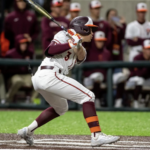
Wild Walkoff Lifts No. 23 Virginia Tech Over No. 7 Duke In 11th Inning
Christian Martin walked things off on Saturday night for No. 23 Virginia Tech against No. 7 Duke in the 11th inning of a 2-1 win. READ MORE
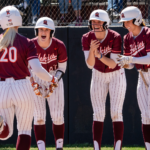
Grizzard Highlights No. 16 Virginia Tech Softball’s 10-4 Victory Over Georgia Tech
Cassie Grizzard earned her first-ever ACC start and threw 3 ⅔ innings on the way to Virginia Tech softball’s 10-4 win over Georgia Tech. READ MORE

Squandered Opportunities Haunt No. 23 Virginia Tech Baseball In Loss To No. 7 Duke
Numerous squandered opportunities came back to bite No. 23 Virginia Tech in its 9-8 loss to No. 7 Duke in 11 innings on Friday. READ MORE
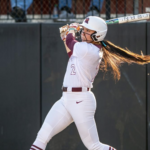
No. 16 Virginia Tech Softball Handles Georgia Tech 8-4
No. 16 Virginia Tech softball handled Georgia Tech in an 8-4 win on Friday, notching its seventh consecutive victory. READ MORE

The First Bank & Trust Friday Q&A: The NIL Law And Roster Depth
What do the new NIL laws mean for Virginia Tech? And how long will the advantage last? We discuss that in the First Bank & Trust Friday Q&A. READ MORE
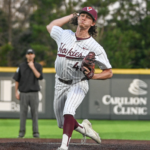
No. 23 Virginia Tech Baseball Hosts No. 7 Duke In Pivotal ACC Coastal Series
Ranked ACC baseball returns to Blacksburg as Virginia Tech hosts Duke for a three-game set with massive Coastal Division implications. READ MORE

Virginia Tech Linebacker Tavorian Copeland Enters The Transfer Portal
Virginia Tech LB Tavorian Copeland entered the transfer portal Friday, making it five Hokies who have left — all from the 2023 class. READ MORE
Our Sponsors






| DATE | OPPONENT | TIME, TV |
| Apr. 13 |  SPRING GAME SPRING GAME | M 21, O 14 |
| Aug. 31 |  at Vanderbilt at Vanderbilt | TBD |
| Sep. 7 |  MARSHALL MARSHALL | TBD |
| Sep. 14 |  at ODU at ODU | TBD |
| Sep. 21 |  RUTGERS RUTGERS | TBD |
| Sep. 27 (Fri) |  at Miami at Miami | TBD |
| Oct. 5 |  at Stanford at Stanford | TBD |
| Oct. 12 | ||
| Oct. 17 (Thu) |  BOSTON COLLEGE BOSTON COLLEGE | TBD |
| Oct. 26 |  GEORGIA TECH GEORGIA TECH | TBD |
| Nov. 2 |  at Syracuse at Syracuse | TBD |
| Nov. 9 |  CLEMSON CLEMSON | TBD |
| Nov. 16 | ||
| Nov. 23 |  at Duke at Duke | TBD |
| Nov. 30 |  VIRGINIA VIRGINIA | TBD |
ACC Standings - click here All game recaps - click here |
||
|---|---|---|
| Date | Opponent | Time, TV |
| Mon 11/6/23 |  Coppin State Coppin State | W, 100-55 |
| Fri 11/10/23 |  vs. South Carolina vs. South CarolinaHall of Fame Series Charlotte, N.C. | L, 79-77 |
| Wed 11/15/23 |  Campbell Campbell | W, 60-44 |
| Sun 11/19/23 |  Wofford Wofford | W, 98-76 |
| Thu 11/23/23 |  vs. Boise State vs. Boise StateESPN Events Inv. Orlando, Fla. | W, 82-75 |
| Fri 11/24/23 |  Iowa State Iowa StateESPN Events Inv. Orlando, Fla. | W, 71-62 |
| Sun 11/26/23 |  No. 19 FAU No. 19 FAUESPN Events Inv. Orlando, Fla. | L, 84-50 |
| Wed 11/29/23 |  at Auburn at AuburnACC/SEC Challenge | L, 74-57 |
| Sun 12/3/23 |  Louisville Louisville | W, 75-68 |
| Sat 12/9/23 | Valparaiso | W, 71-50 |
| Sat 12/16/23 | Vermont | W, 73-51 |
| Thu 12/21/23 |  American American | W, 77-55 |
| Sat 12/30/23 |  at Wake Forest at Wake Forest | L, 86-63 |
| Sat 1/6/24 |  at Florida State at Florida State | L, 77-74 |
| Wed 1/10/24 |  No. 21 Clemson No. 21 Clemson | W, 87-72 |
| Sat 1/13/24 |  Miami Miami | L, 75-71 |
| Wed 1/17/24 |  at Virginia at Virginia | L, 65-57 |
| Sat 1/20/24 |  at NC State at NC State | W, 84-78 |
| Tue 1/23/24 | Boston College | W, 76-71 |
| Sat 1/27/24 |  Georgia Tech Georgia Tech | W, 91-67 |
| Mon 1/29/24 |  No. 7 Duke No. 7 Duke | L, 77-67 |
| Sat 2/3/24 | at Miami | L, 82-74 |
| Sat 2/10/24 |  at Notre Dame at Notre Dame | L, 74-66 |
| Tue 2/13/24 | Florida State | W, 83-75 |
| Sat 2/17/24 |  at No. 7 UNC at No. 7 UNC | L, 96-81 |
| Mon 2/19/24 | Virginia | W, 75-41 |
| Sat 2/24/24 |  at Pitt at Pitt | L, 79-64 |
| Tue 2/27/24 | at Syracuse | L, 84-71 |
| Sat 3/2/24 | Wake Forest | W, 87-76 |
| Tue 3/5/24 | at Louisville | W, 80-64 |
| Sat 3/9/24 | Notre Dame | W, 82-76 |
| Wed 3/13/24 | Florida State ACC Tournament Capital One Arena Washington, D.C. | L, 86-76 |
| Tue 3/19/24 |  Richmond RichmondNIT Cassell Coliseum | W, 74-58 |
| Sat 3/23/24 |  at Ohio State at Ohio StateNIT Value City Arena | L, 81-73 |
ACC Standings - click here All game recaps - click here |
||
|---|---|---|
| Date | Opponent | Time, TV |
| Mon 11/6/23 |  High Point High Point | W, 94-55 |
| Thu 11/9/23 |  vs. No. 3 Iowa vs. No. 3 IowaAlly Tipoff Charlotte, N.C. | L, 80-76 |
| Thu 11/16/23 | Houston Christian | W, 105-36 |
| Mon 11/20/23 | UNC Greensboro | W, 72-51 |
| Fri 11/24/23 |  vs. Kansas vs. KansasCayman Islands Classic | W, 59-58 |
| Sat 11/25/23 |  vs. Tulane vs. TulaneCayman Islands Classic | W, 76-70 |
| Thu 11/30/23 |  at No. 7 LSU at No. 7 LSUACC/SEC Challenge | L, 82-64 |
| Wed 12/6/23 | LIU | W, 98-50 |
| Sun 12/10/23 |  Radford Radford | W, 85-40 |
| Sun 12/17/23 |  at Rutgers at Rutgers | W, 84-59 |
| Thu 12/21/23 |  William & Mary William & Mary | W, 76-43 |
| Sun 12/31/23 | Pitt | W, 91-41 |
| Thu 1/4/24 | at Wake Forest | W, 82-73 |
| Sun 1/7/24 | No. 3 NC State | W, 63-62 |
| Thu 1/11/24 | Miami | W, 76-52 |
| Sun 1/14/24 | at No. 21 FSU | L, 89-81 |
| Thu 1/18/24 | at Duke | L, 63-46 |
| Sun 1/21/24 | Clemson | W, 74-62 |
| Thu 1/25/24 | Georgia Tech | W, 87-69 |
| Sun 1/28/24 | at No. 22 Syracuse | W, 75-62 |
| Thu 2/1/24 | Virginia | W, 76-63 |
| Sun 2/4/24 | at No. 24 UNC | W, 70-61 (OT) |
| Thu 2/8/24 | at No. 3 NCSU | W, 72-61 |
| Sun 2/11/24 | Boston College | W, 74-63 |
| Thu 2/15/24 | Duke | W, 61-56 |
| Sun 2/18/24 | at No. 18 Louisville | W, 86-70 |
| Sun 2/25/24 | North Carolina | W, 74-62 |
| Thu 2/29/24 | at No. 17 ND | L, 71-58 |
| Sun 3/3/24 | at Virginia | L, 80-75 |
| Fri 3/8/24 | Miami ACC Tournament Greensboro Coliseum Greensboro, N.C. | W, 55-47 |
| Sat 3/9/24 | No. 14 ND ACC Tournament Greensboro Coliseum Greensboro, N.C. | L, 82-53 |
| Fri 3/22/24 |  Marshall MarshallNCAA Tournament Cassell Coliseum | W, 92-49 |
| Sun 3/24/24 |  Baylor BaylorNCAA Tournament Cassell Coliseum | L, 75-72 |